

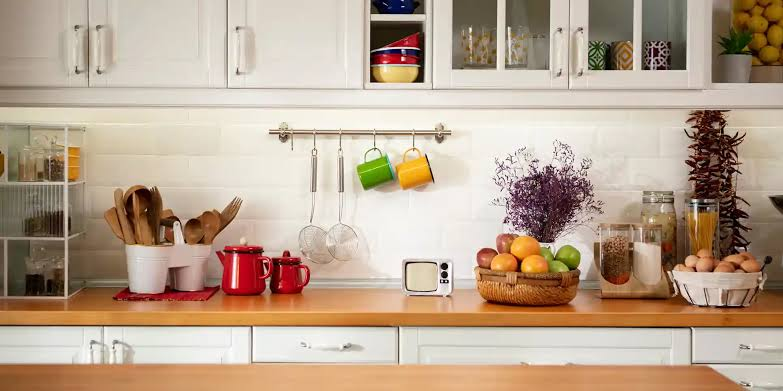
Zero-waste living often gets pictured as glass jars, matching bamboo utensils, and a kitchen that looks like it belongs in a magazine. That version is expensive, and honestly, it’s not really the point. The core idea behind zero-waste is using less and wasting less, which usually means spending less too, not more.
You don’t need to buy a single new product to start. Most of the biggest wins come from small habit changes and reusing things you already have.
Start With What’s Already in Your Kitchen
Before buying anything “eco-friendly,” take stock of what you already own. Old jars, takeout containers, and worn-out towels can all be repurposed instead of replaced. A glass jar from pasta sauce works just as well for storing leftovers as anything sold specifically for that purpose — the only difference is the price tag.
Rethink Food Storage Before Buying Anything New
Plastic wrap and sandwich bags are usually the biggest source of kitchen waste, and they’re also one of the easiest to cut down. Beeswax wraps and reusable containers get recommended a lot, but you don’t need to buy a full set right away. Start by simply using containers you already own more consistently, and replace disposable wrap only as it naturally runs out, rather than throwing away what’s left to “start fresh.”
Shop With Waste in Mind, Not Just Price
Buying in bulk, when it’s realistic for your storage space, usually cuts down on packaging significantly compared to individually wrapped portions. It’s also worth choosing loose produce over pre-packaged when the price difference is small or nonexistent — a lot of grocery stores now offer both, and shoppers often default to the packaged version out of habit rather than preference.
Start Composting, Even Without a Yard
Composting sounds like something that requires outdoor space, but small-scale indoor composting is genuinely possible in an apartment. A simple countertop bin for food scraps, combined with a local drop-off point (many cities now offer these at farmers markets or community gardens), keeps food waste out of the trash without needing a backyard at all.
Use Food Scraps Before Tossing Them
Vegetable peels, herb stems, and bones can go into a bag in the freezer and get turned into stock later instead of being thrown away immediately. Overripe fruit that’s a little too soft to eat raw still works fine in smoothies or baked goods. A surprising amount of what gets labeled “waste” is actually still usable — it just needs a different plan.
Buy Secondhand Before Buying New
If you do want actual zero-waste products — cloth napkins, glass containers, reusable produce bags — thrift stores and secondhand marketplaces often have them for a fraction of retail price. Buying new isn’t necessary to build a more sustainable kitchen, and secondhand items usually work exactly the same as new ones.
Keep a Running List of What Actually Gets Wasted
For one week, keep track of anything that ends up in the trash from your kitchen — not judgmentally, just observationally. This usually reveals a pattern: maybe it’s produce that spoils before it gets used, or takeout containers that pile up. Once you know the actual pattern, it’s much easier to fix than trying to overhaul everything at once. This pairs well with the approach in our guide on saving money on a tight budget — reducing waste and reducing spending usually go hand in hand.
The Bottom Line
A zero-waste kitchen isn’t about buying the right products — it’s about using what you have more intentionally. Most of the impact comes from small, repeated habits rather than a single big purchase. Start with one change, let it become routine, and build from there.