

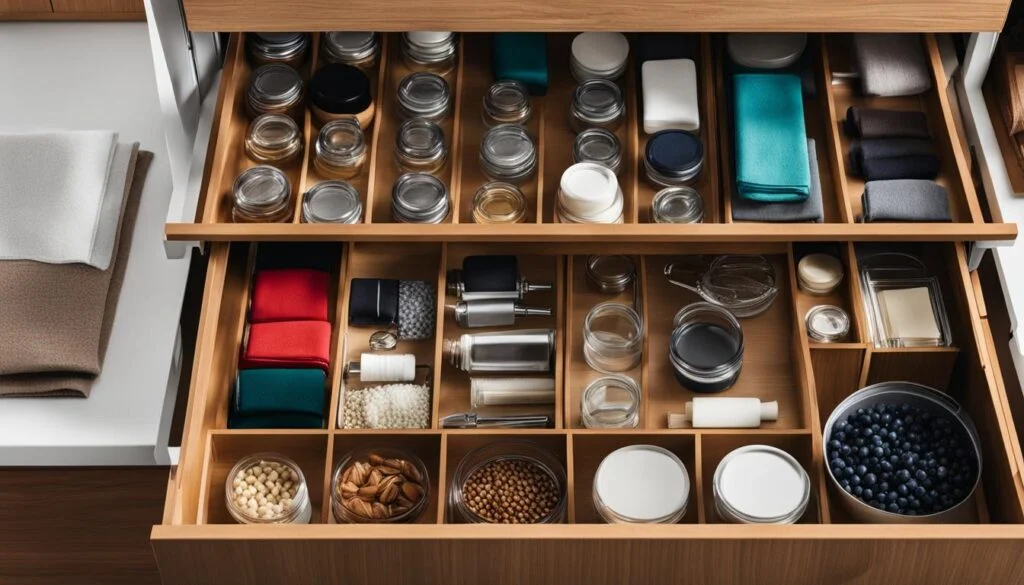
Decluttering advice usually comes with a picture of someone dumping an entire closet onto the floor and sorting everything into perfect piles in one afternoon. For most people, that approach doesn’t lead to a tidier home — it leads to a bigger mess, a wasted weekend, and a pile of stuff that quietly gets shoved back wherever it came from. For more practical home and lifestyle guides, Daily World Hub covers this kind of thing regularly.
A more realistic approach works in smaller pieces, and it actually sticks.
Start With One Small Area, Not the Whole House
Trying to declutter an entire home in one go is exhausting enough that most people quit halfway through. Picking one small, contained space — a single drawer, one shelf, the top of a dresser — makes the task actually finishable in twenty or thirty minutes, which makes it far more likely to actually happen again the next day.
Use the “Would I Buy This Today” Test
Instead of asking whether something might be useful someday, a more honest question is whether you’d actually buy that exact item again if you saw it in a store today. It cuts through a lot of the guilt-based hoarding that keeps unused items around for years — things kept “just in case” rarely get used even when the case eventually comes up.
Deal With Paper Clutter Separately
Paper — mail, receipts, old documents — tends to pile up faster than almost anything else in a home, mostly because it doesn’t feel like clutter until there’s a stack of it. A simple system, like a single tray for incoming mail that gets sorted weekly, prevents the slow buildup that eventually turns into an overwhelming pile nobody wants to deal with.
Don’t Buy Storage Bins Before You Declutter
It’s tempting to solve clutter by buying containers to organize it, but that often just makes disorganized items look neater without actually reducing how much stuff there is. Decluttering first, then buying storage only for what’s left, usually means buying far less — and needing far less space overall.
Make It Easy to Keep Things Tidy Going Forward
A lot of clutter comes back because putting things away is more annoying than just leaving them out. Keeping frequently used items somewhere genuinely convenient, even if it’s not the “proper” spot, tends to actually get followed. A tidy system only works if it’s realistic for how you actually live day to day.
Let Go of the “Perfect System” Pressure
Home organization content online often shows color-coded bins and label makers, which can make a simple, functional system feel inadequate by comparison. A drawer that’s just less cluttered than before is still real progress, even if it doesn’t look like a magazine photo. If minimizing extra spending is part of the goal here too, this pairs well with our guide on saving money on a tight budget — decluttering and spending less often go hand in hand.
Build It Into a Routine, Not a Single Event
Decluttering tends to stick better as an ongoing five-minute habit than as a one-time weekend project. Tidying one drawer while coffee brews, or sorting mail while dinner cooks, keeps clutter from building back up without requiring a dedicated block of time. This fits well with the small daily habits covered in our morning routine guide — a minute or two folded into an existing routine adds up over weeks.
The Bottom Line
A decluttered home doesn’t come from one big push — it comes from small, repeated sessions that don’t require an entire day off to complete. Start with one drawer, one shelf, or one pile, and let the rest follow gradually instead of trying to fix everything in a single overwhelming weekend.